SR008 APPS ARE OPEN. Up to $1M + $10M+ in credits. 12 weeks in SF, Feb through April. Built to help you land capital, customers and talent. Apply by Nov 1: speedrun.a16z.com/apply
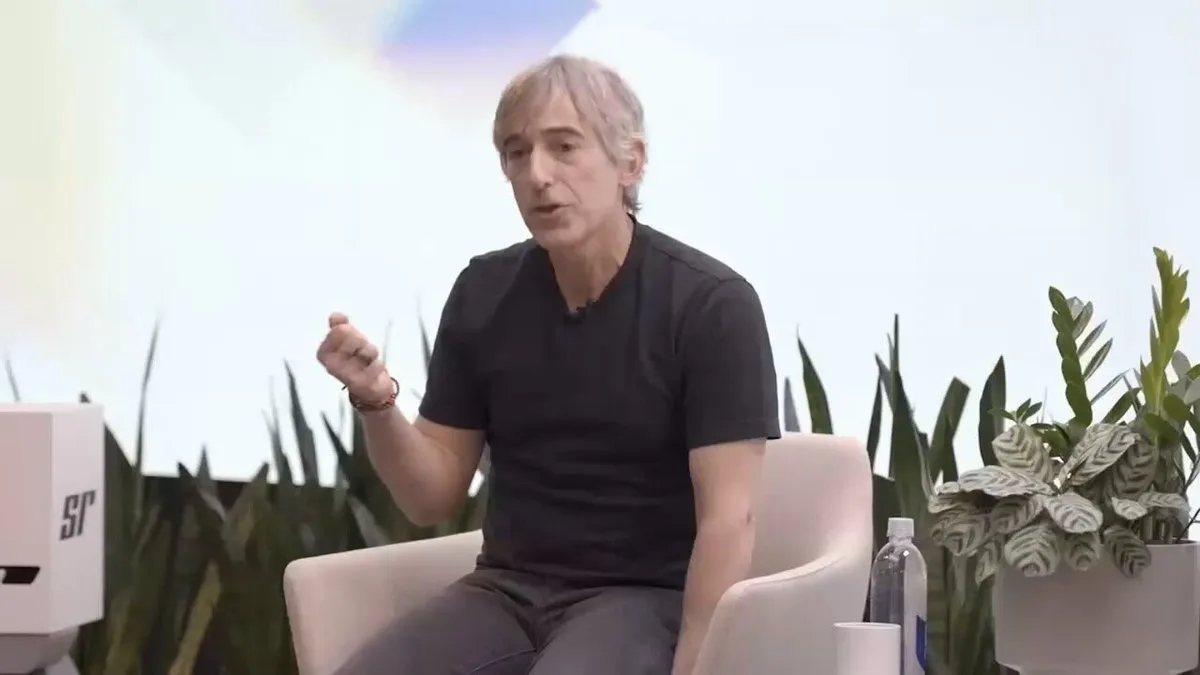
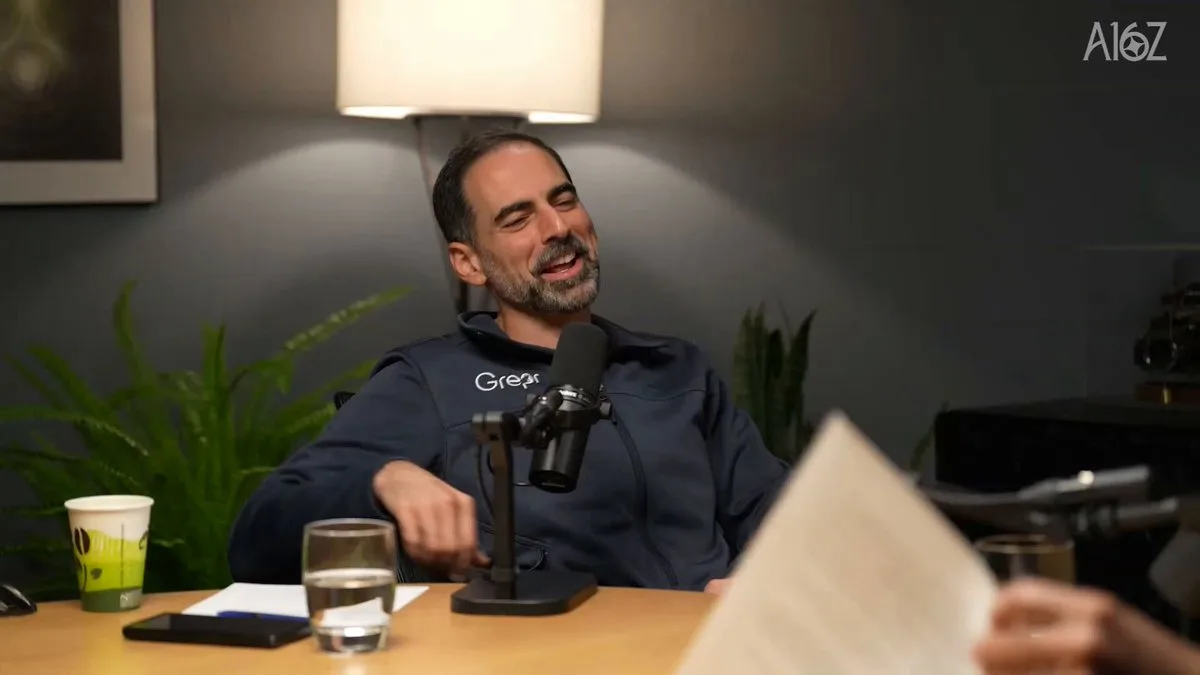
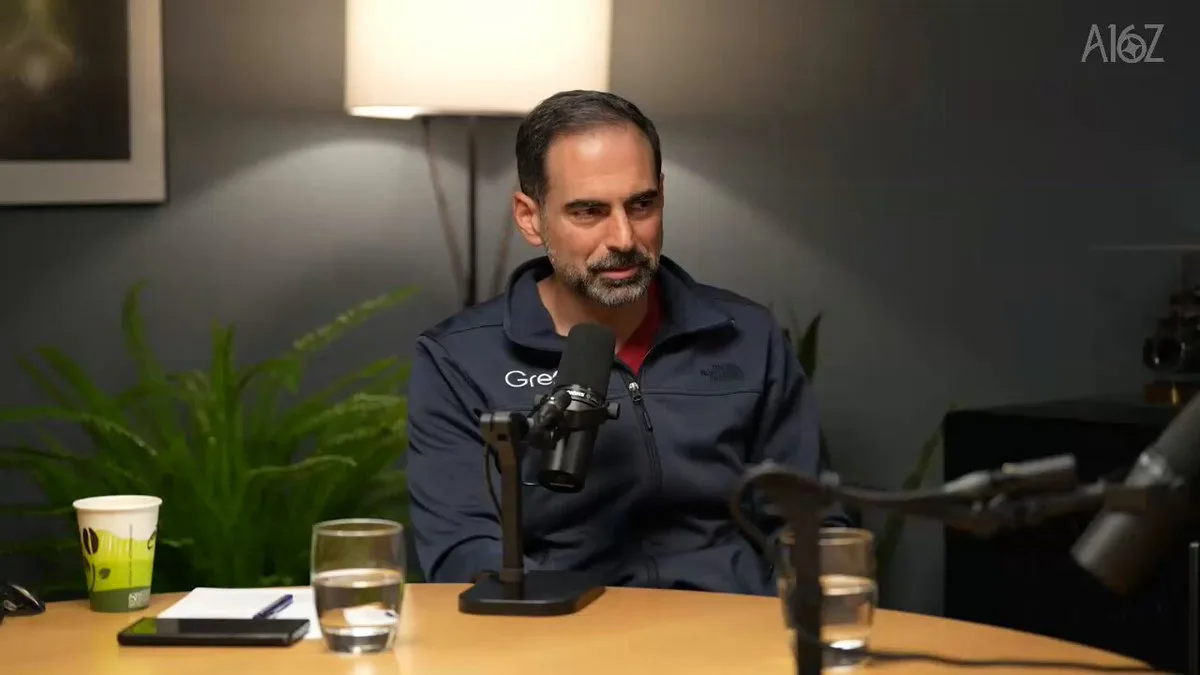
Jad Naous of @grepr_ai on how AI is widening the gap between okay and great engineers:
"Some people were adapting and learning and others weren't as adaptive. And then as we started hiring more people into the team, that disparity between okay engineers and really good engineers just multiplied 10X."
"Ultimately you really have to understand the setup. The more complexity that your brain can handle, the more you can break down the tasks and assign them."
"My team is still small... In my experience, for the things that we do, that is the case because we build distributed systems and distributed algorithms, and your brain has to handle the complexity because AI doesn't do it."
"For the problems that we solve, none of the models can actually think through the things that we do."
@jadtnaous@martin_casado
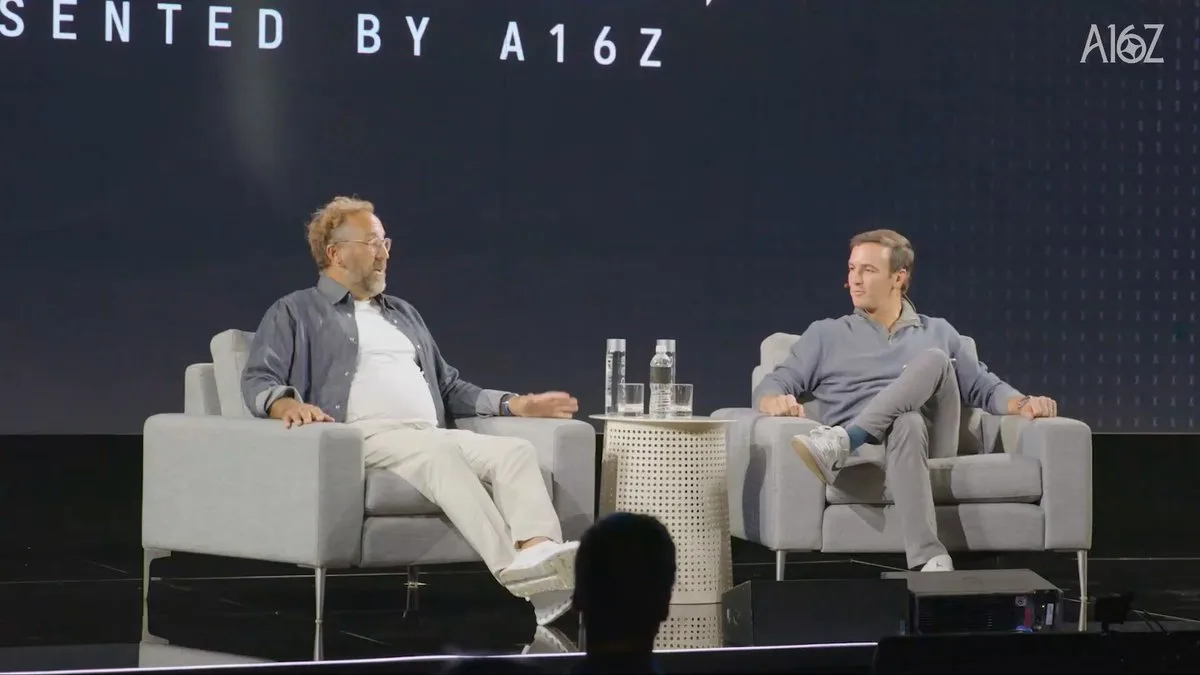
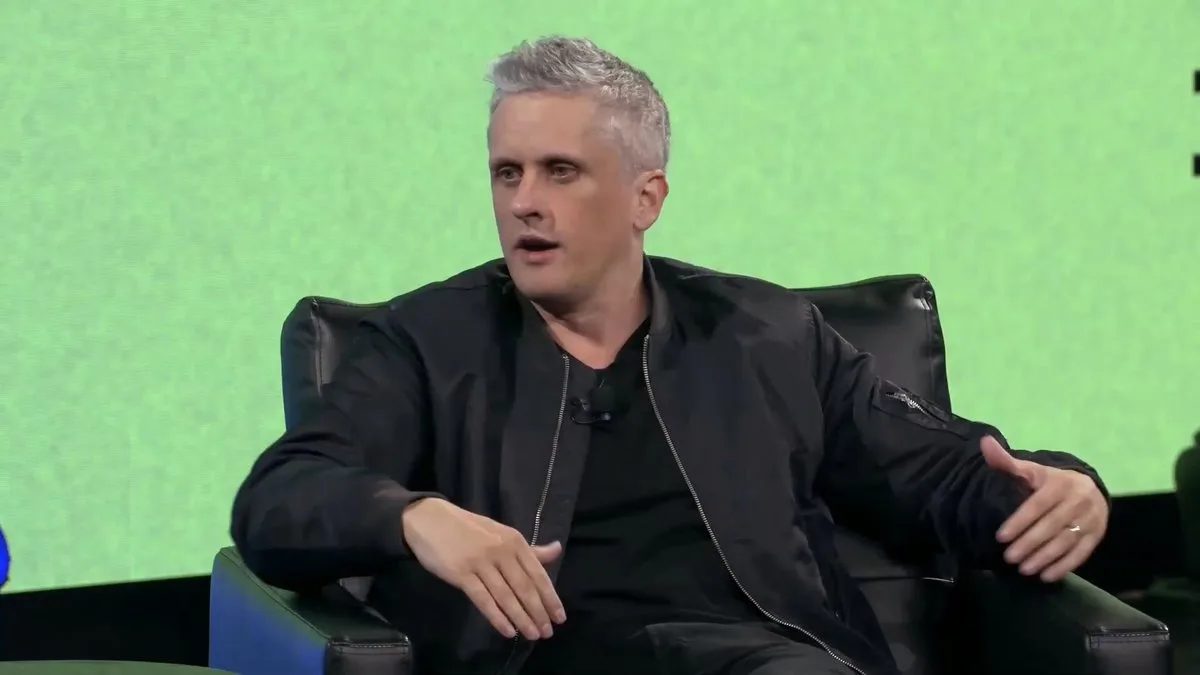
Ben Horowitz 谈在 AI 世界里比以往任何时候都更重要的两项能力:创造力和人际关系。
“我觉得这两样东西,很难用今天 AI 的方式很好地得到。所以如果你对这两件事没有直觉,我不知道全世界所有的 AI 能不能帮到你。而那些靠硬磨出来的任务,AI 已经非常擅长了。”
“你有原创的想法吗?你能从一开始就与人建立并维持非常高质量、高保真度的关系吗?我觉得人们对此想得不够多。”
“我认为我们的一大优势是,我们真的在寻找这一点。很多人完全忽略这件事,好像这不算什么……这确实算点什么。”
@bhorowitz 与 @Tocelot
SR008 APPS ARE OPEN. Up to $1M + $10M+ in credits. 12 weeks in SF, Feb through April. Built to help you land capital, customers and talent. Apply by Nov 1: speedrun.a16z.com/apply
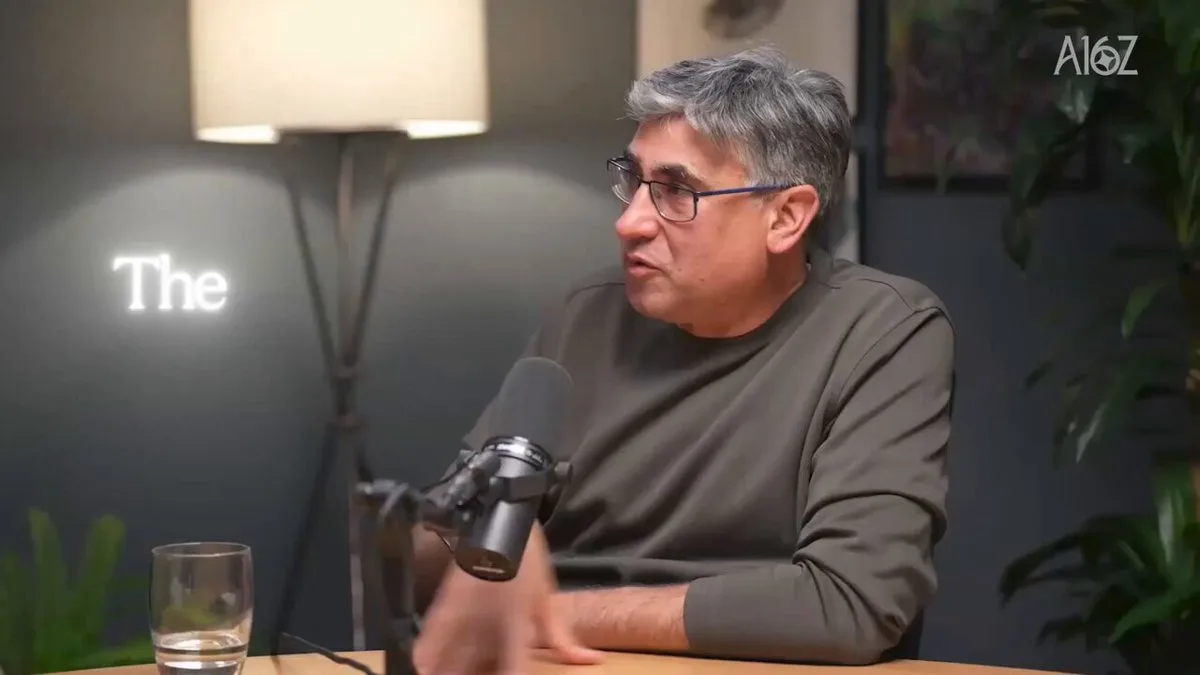
Ali Ghodsi of @Databricks on the four conditions that would have to hold for AI to truly improve itself:
"The next model requires less resources, less GPUs to train... The second condition: the next model takes less time to train as well. Third, accuracy of the model, the intelligence is increasing. And fourth, we can do the former three again and again and again... All at the same time, not just any of them."
"If you just mean that the software is writing itself, we're already there today. Like 90-some percent of the software in Databricks is written by AI. Does it matter if the last few percent is also written by AI? No."
"If you're getting these four conditions, then you might get a speed-up where the next model, let's say, takes half amount of time and half the resources, and it is more intelligent... By the way, I don't even know if that necessarily leads you to superintelligence."
"A lot of people, their definition is just, 'Hey, if I'm not even coding anymore and it's coding itself'... I think they're conflating, 'Hey, what's my value and is it scary for me?' Versus, 'Hey, that then means we'll get that superintelligence that in 2014 was hypothesized by Bostrom.'"
@alighodsi@martin_casado@sarah_wang
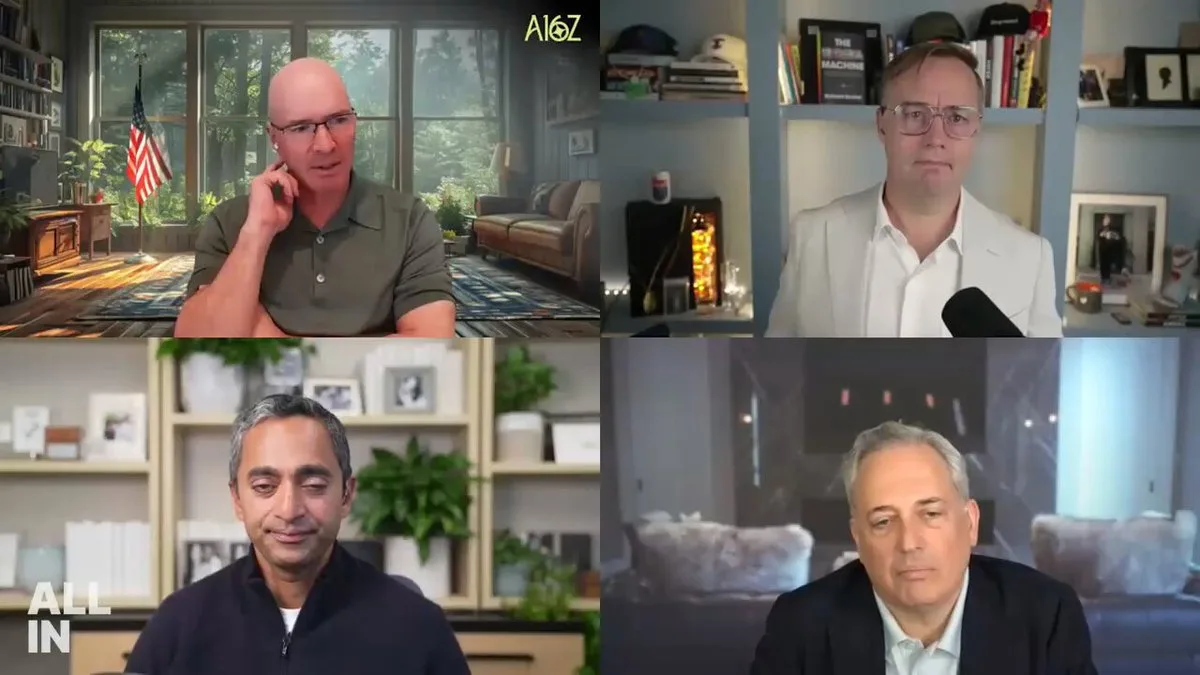
Ben Horowitz on the lesson LoudCloud, his early cloud company, taught him about today's AI neoclouds, and why they now face the opposite problem:
"It can end up being like a very dangerous arbitrage business, where you can get upside-down easily. And so if you look at LoudCloud, just as an example, here's a simple thing that happened to us."
"In 1999, bandwidth was $1,500 a megabit. And you couldn't get it. It was very hard to get it. And so you had to get a long-term contract, three years. By 2001, it was $50 a megabit... And if you borrowed money to get it, you're dead."
"That kind of thing is so out of the control of the entrepreneur."
"I think the core dynamic of AI has been working for CoreWeave, though, in that there's a massive shortage, not an overage of supply... Token prices have gone down, but GPU prices have not."
"And by the way, data center space is going up in price because even labor to build data centers is hard. The politics are making it hard to build data centers. So the whole supply chain price is going up and demand is not subsiding."
"Those are very big tailwinds for CoreWeave, despite the fact that the debt markets, kind of independent of them, are tough."
@bhorowitz w/ @chamath on @allinpod
More than 1 in 3 Americans bought something based on an AI recommendation in the past year
44% say AI helps them find better value for money
34% would pay more for a product if AI showed it was the best option for them
Charts of the Week: a16z.news/p/this-week-in-charts-agents-denied
Engineering leaders told Grepr founder and CEO Jad Naous they spend 5 to 20% of their infrastructure budget on observability, and it's buying less and less reliability.
Jad, a former a16z partner, joins a16z's Martin Casado to discuss whether AI can run production systems as well as it writes code.
Grepr sits in a company's log stream, can scan a petabyte of logs a day, cuts observability costs by about 90%, and is building AI agents that use those signals to troubleshoot production issues.
How AI is changing engineering at Jad's 10-person company:
- A data lake feature that once took one engineer about six months took Jad 10 days
- The gap between okay and great engineers on his team "just multiplied 10X"
- He runs 3-4 agent sessions at once, with a "tech lead" agent reviewing every PR
Why running live systems is a harder problem for AI:
- Jad: AI can almost tune databases, but can't yet keep servers running on its own
- Martin: every bit of code doubles the ways a program can behave, which is why humans still own systems
- The real world is messier than AI's training data, self-driving took 20 years and $170B
0:55 From Stanford to a16z to Grepr
7:00 Why observability spend stopped paying off
11:00 From autocomplete to AI that trains engineers
13:10 Why AI widens the engineer skill gap
14:55 Syntax vs semantics
18:00 Inside Jad's AI workflow
22:55 Six months of work in 10 days
24:50 Can AI reason about how systems really run?
30:10 Why AI SRE tools start in the wrong place
32:30 Can AI run a distributed cluster yet?
37:35 Why engineers buy extra capacity over predicting
39:15 How AI could trace failures in production
43:45 Why AI for ops is harder than for code
49:55 Can AI do a VC's job?
52:05 Why self-driving took 20 years and $170B
57:05 Customers skipped the AI pitch for the 90% savings
YouTube: youtu.be/blkIGLlZePg@jadtnaous@grepr_ai@martin_casado
Wallet Wars: Agents need payment credentials as they become the new UX for $7T in ecommerce. Enter the Wallet Wars and why the AOL-era of agentic commerce will give way to open standards. x.com/i/article/2110740717400412160
Wallet Wars: Agents need payment credentials as they become the new UX for $7T in ecommerce. Enter the Wallet Wars and why the AOL-era of agentic commerce will give way to open standards. x.com/i/article/2110740717400412160
The wallet wars are here.
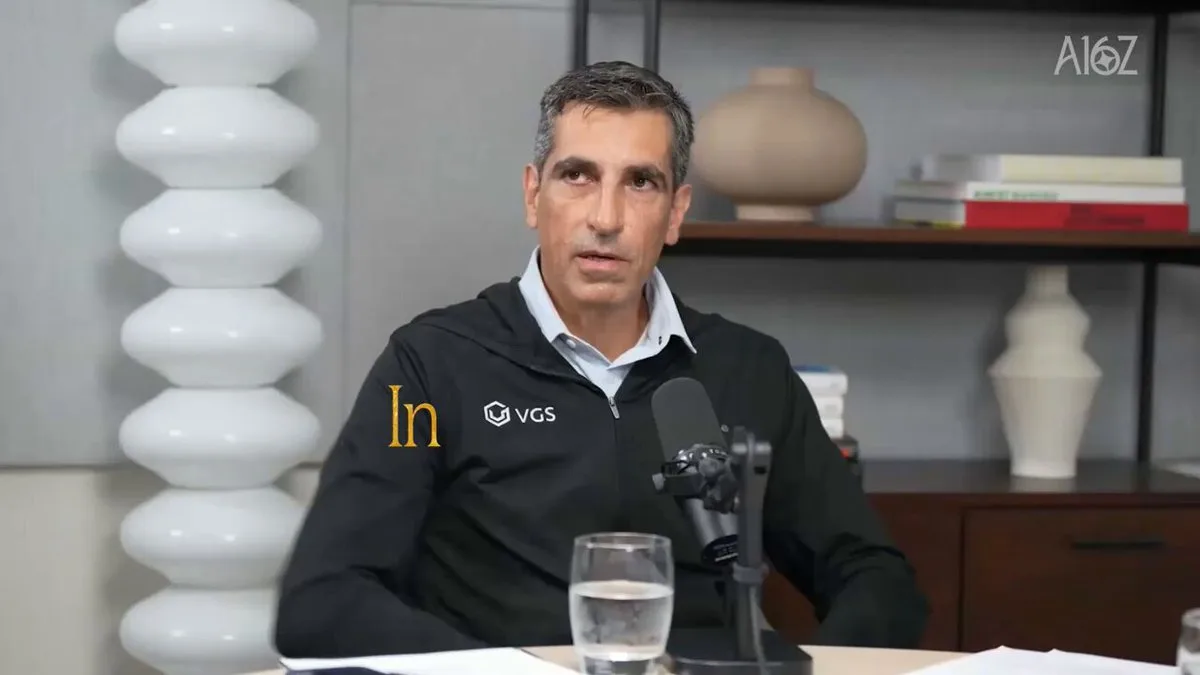
Very Good Security chief strategy officer Terry Angelos joins a16z's Alex Rampell, his TrialPay co-founder from back in 2006 (TrialPay was later acquired by Visa), to discuss how agents are learning to spend money.
"Agents have all of a sudden become significantly more helpful and useful because they effectively have arms and legs, which are payment credentials."
VGS holds the payment credentials behind about 1/3 of all e-commerce, and now it's helping AI agents pay merchants. If you've bought anything online, there's a good chance VGS has already helped keep your card safe.
In the last three months, Terry says agents went from "spectators to actors." Once an agent has your payment credentials, it can book the piano teacher it previously could only find and recommend.
Now Stripe's Link, Shopify's Shop Pay, and PayPal are racing to connect to agents. It's all headed toward open standards from the card networks: agentic tokens that let an agent pay with your actual card.
VGS went from zero agentic tokens to a few million a week in three months.
0:55 From TrialPay to Visa to VGS
2:05 How VGS vaults 1/3 of e-commerce
6:05 Why big merchants use 3-5 processors
9:55 Why AI agents need a payment vault
12:15 Agents go from "spectators to actors"
13:40 The wallet wars, old and new
19:55 Walled gardens vs open standards
23:55 How agents can pay with your real card
26:40 Your saved card goes multiplayer
29:40 How do you trust an agent's purchase?
32:35 Who pays when your agent gets it wrong
35:40 Why Amazon blocks agents
39:50 What's overhyped and underhyped
43:35 When merchants get agents too
45:40 Why agents could break card rewards
47:00 VGS's eras: vault, updates, network
@terryangelos@arampell
Wallet Wars: Agents need payment credentials as they become the new UX for $7T in ecommerce. Enter the Wallet Wars and why the AOL-era of agentic commerce will give way to open standards. x.com/i/article/2110740717400412160
Wallet Wars: Agents need payment credentials as they become the new UX for $7T in ecommerce. Enter the Wallet Wars and why the AOL-era of agentic commerce will give way to open standards. x.com/i/article/2110740717400412160